Shredding for Estate Cleanouts and Downsizing
When someone passes away, or when an aging parent moves into assisted living, or when the family home finally goes up for sale — someone has to go through the papers.
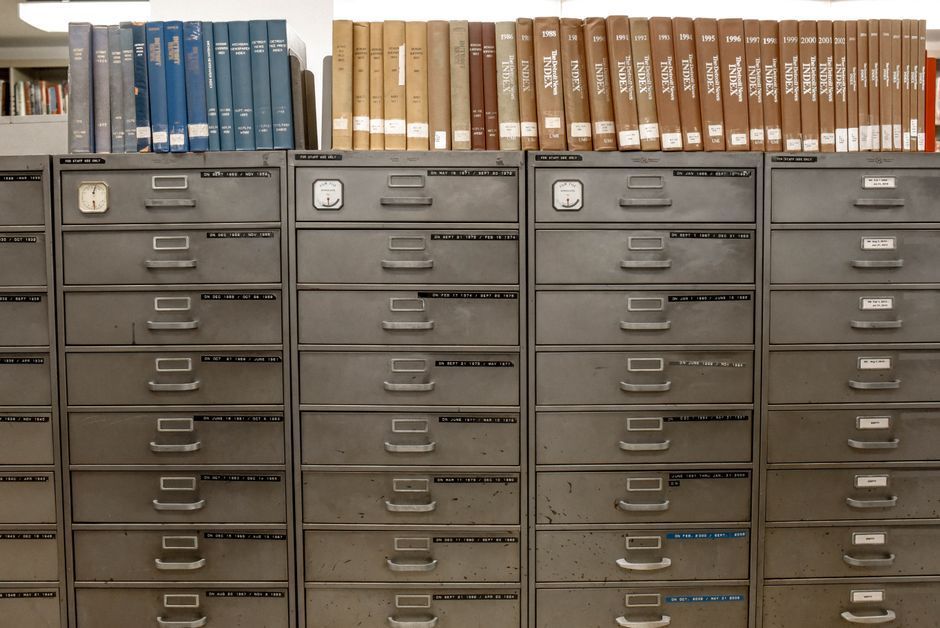
That job usually falls to a son or daughter, a spouse, an executor, or a close friend. And it's one of the more quietly difficult tasks in an already hard season. Filing cabinets full of documents spanning decades. Boxes in the closet nobody's touched in years. Tax returns from the 1990s. Old insurance policies. Medical records. Bank statements with account numbers still on them.
Most of it needs to go. But not in the recycling bin.
This page is for people navigating that exact situation — and what a professional shredding service can do to help.
Why Document Security Matters More After a Loved One Passes
Identity theft doesn't stop when someone dies. In fact, deceased individuals are frequently targeted precisely because the fraud can go undetected for months or years. A Social Security number doesn't expire. Neither does an account number, a Medicare ID, or a signature on an old financial document.
Estate paperwork — the kind found in nearly every home — is exactly the kind of material identity thieves look for. And the normal chaos of a household cleanout creates openings: donation bags left on the curb, recycling bins at the end of the driveway, boxes that go to the landfill without anyone reviewing what's inside.
Shredding is how you close those openings for good. It's one less thing that can go wrong during a time when there's already plenty to manage.
What Documents Typically Need to Be Shredded in an Estate Cleanout
You don't need to read every page to know what should be shredded. If in doubt, shred it — that's the safest rule. But here are the categories that come up most in a typical estate or downsizing cleanout:
Financial Records
Bank statements, investment account records, credit card statements, checkbooks, old tax returns, pay stubs, loan documents, and anything with an account number or routing number. These are the highest-value targets for fraud and should never go in a recycling bin.
Legal and Estate Documents
Once the estate is settled, older drafts of wills, power of attorney documents, beneficiary designations, and property records may no longer need to be retained in paper form. Check with the estate attorney on what to keep — but duplicates, drafts, and superseded versions can go.
Medical Records
Medicare statements, insurance explanation-of-benefits letters, prescription records, and any document with a Medicare or Medicaid number. These contain protected health information and should be shredded, not tossed.
Personal Identification Documents
Social Security correspondence, old passports (the card can be cut up, the book shredded), voter registration cards, and any document with a Social Security number printed on it. These are the core building blocks of identity fraud.
Everything Else With a Name and Number
Utility bills. Old phone bills. Prescription bottle labels. Anything that pairs a name with an account number, address, or date of birth. The combination is what matters — and most households have years of it sitting in drawers.
🗂️ When in Doubt, Shred It: If you're standing over a box of papers trying to decide whether something is sensitive, that hesitation is your answer. Shredding something you didn't need to shred costs nothing. Missing something you should have shredded can cause real harm. For an estate cleanout, the default should always be: if it has a name, a number, or a date on it — it goes in the shred pile.
What You Can Keep — and What You Don't Need To
Not everything needs to be shredded, and not everything needs to be kept. Here's a general framework, though you should always consult with the estate attorney or executor on specifics:
- The final executed will and trust documents
- Death certificate (multiple certified copies)
- Birth certificate and marriage certificate
- Military discharge papers (DD-214)
- Property deeds and vehicle titles
- The most recent tax return (hold for at least three years)
Typically Safe to Shred Once Estate Is Settled
- Bank and investment statements older than seven years
- Old tax returns beyond the retention window
- Utility bills, phone bills, and routine correspondence
- Duplicate or draft legal documents
- Medical records and insurance statements
- Old pay stubs and employment records
When you're not sure whether something falls into a keep or shred category, set it aside in a separate pile and come back to it. The shredding truck can wait — but the recycling bin is permanent.

How a Professional Shredding Service Fits Into an Estate Cleanout
The practical reality of an estate cleanout is that it happens in waves. You're sorting through belongings, coordinating with family members, working with an estate attorney, managing the property, and trying to grieve at the same time. Document shredding is one piece of a complicated puzzle.
Here's how most families use a service like Allways Shred™ in this context:
The One-Time Purge
Most estate cleanouts call for a single, scheduled purge job. You spend time sorting — keeping what needs to be kept, setting aside what clearly needs to go — and then we come on-site, load the shred pile, and destroy it in front of you. You get a certificate of destruction documenting that it happened. The whole thing typically takes less than an hour for a full household's worth of paper.
Flexible Scheduling
There's no minimum volume and no maximum. Whether it's three boxes or thirty, we can handle it in one visit.
Cleanouts don't happen on a fixed schedule, and we understand that. We work around your timeline — whether you need service the week after a passing, at the end of an estate sale, or the day before the house closes. Call ahead and we'll find a date that fits what you're managing.
You Don't Have to Sort Every Page
One of the things families often don't realize is that you don't need to review every document before it's shredded. If you've determined that an entire filing cabinet or box of papers is beyond its retention window and contains sensitive information, it can all go in. You don't need to pull staples, remove paper clips, or take things out of folders. Our industrial shredder handles all of it.
💙 A Note on Timing: There's no right or wrong time to handle this. Some families move quickly because they need to sell the property. Others need weeks or months before they're ready to go through a parent's papers. We've seen both, and we work on your schedule — not ours. When you're ready, we'll be here.
Downsizing: A Different Kind of Cleanout
Not every cleanout involves a loss. Many families use professional shredding services when a parent or relative moves from a family home into a smaller space, a retirement community, or assisted living.
Forty years in one house means forty years of paper. Tax returns from three decades ago. Bank statements in shoeboxes. Old mortgage documents on a house that sold in 2003. Insurance policies for cars that no longer exist.
Downsizing is a chance to get that paper under control — and to do it responsibly, rather than hauling boxes of sensitive documents to a new address that may have less secure storage.
As a local document shredding company serving families and businesses across the Carolinas, Allways Shred™ handles residential jobs with the same care and professionalism as commercial accounts. You're not a small job to us — you're exactly the kind of customer we're here for.
A Few Practical Tips Before You Call
If you're in the middle of an estate cleanout or preparing a home for sale, here are a few things that will make the shredding process go smoothly:
- Box it up loosely. Documents don't need to be sorted or organized. Put what needs to go in boxes or bags and leave the rest to us.
- Stage near a ground-floor exit. Our trucks load from ground level. Having documents near a door or garage saves time and effort.
- Set aside what you're keeping first. Pull the documents you want to retain before we arrive — that way the shred pile is clear and there's no second-guessing on the day.
- Don't throw anything in the recycling until the shredding is done. It's easy to accidentally mix shred-pile material into recycling bags during a busy cleanout day.
- Call ahead if you're uncertain about volume. We can help you estimate based on a quick description of what you have — no need to count every box.
One Thing Checked Off a Long List
Settling an estate or helping a parent downsize is not a small undertaking. There are dozens of decisions to make, dozens of tasks to coordinate, and rarely enough time or energy to do all of it well.
Document shredding is one of the things you can hand off completely. You sort, we shred, we certify. You cross it off the list and move on to everything else.
Call 833-ALLWAYS or reach out online to schedule a one-time purge at the home. We'll work around your timeline and take that piece off your plate.
FAQs
Should I shred documents belonging to a deceased family member?
Yes — and sooner rather than later. Deceased individuals are common targets for identity theft because their Social Security numbers and financial account information remain valid after death. Any document with a Social Security number, account number, medical ID, or financial information should be shredded rather than recycled or discarded. When in doubt, shred it. A professional service can handle the entire household in a single visit and provide a certificate of destruction for your records.
What's the best way to handle shredding during a home estate sale or cleanout?
Schedule a professional shredding pickup for the same week as the cleanout — ideally at the end, once you've sorted what to keep and what to go. Box up all the documents that need to be destroyed without worrying about organizing them, stage them near a ground-floor exit, and let the shredding team handle the rest. You'll receive a certificate of destruction on-site confirming the job was completed securely. Call 833-ALLWAYS to schedule around your timeline.
Recent Posts